On Kefir
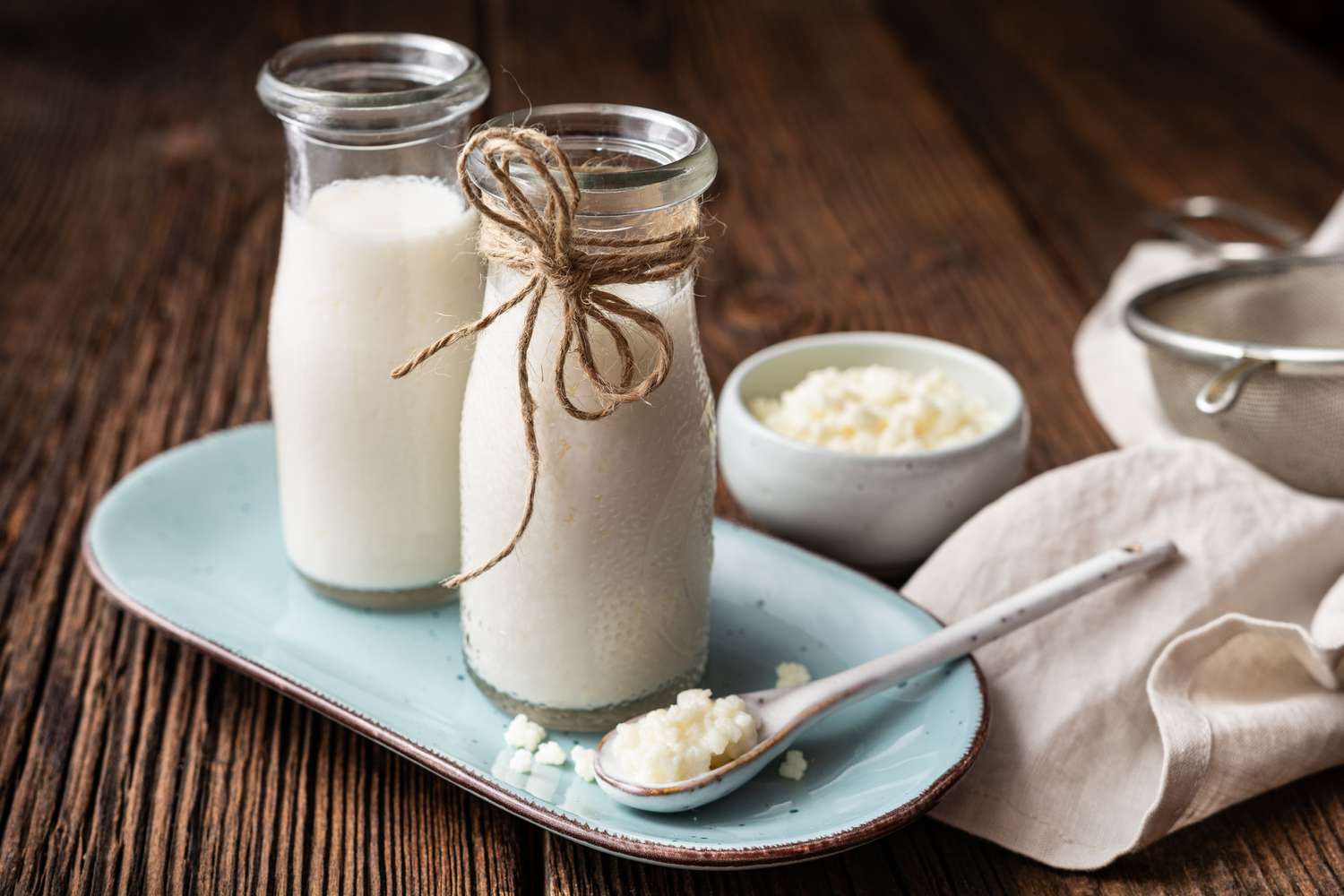
Keep Kalm and Kefir on
Introduction
How and where do I begin to adequately describe how much I love this drink?
Manna from heaven.
Bliss.
A gift from God.
This is my genuine review as well as my family’s lived and authentic experience of how game-changing Kefir has been.
Switching from store-bought to homemade kefir is one of the best decisions we made as a family. Yes, after initial scepticism, all my family members have now hopped aboard the kefir train.
Over time, it has stopped feeling like merely making a drink and now feels more like caring for a beloved pet.
Why kefir?
Kefir is a probiotic, and drinking it means that we are introducing over 60 billion colony-forming units (CFUs) and a far greater diversity of microorganisms as compared to conventional yogurts which only contain a handful of bacterial strains.
These CFUs support our gut health, which emerging research suggests in turn helps support and stabilise our mood through the gut-brain axis. Whole kefir has also been proven to benefit our immune system, improve blood pressure and aid cholesterol metabolism. It is high in protein, B vitamins as well as being low in sugar, making it an excellent meal at any time of the day.
Kefir grains eat up the lactose in milk, so those with lactose intolerance can often add it to their diet without any issues.
After a few weeks, I noticed changes in my own energy and mood levels. It felt like a greater force of energy was circulating in my body, and it felt liberating and energising. Digestion and energy levels after meals had also noticeably improved.
My dad says he can walk all day after having it at breakfast, and he often does.
Homemade vs Store-bought
Making kefir at home has now become a daily rhythm, and it has proved remarkably rewarding and simpler than we had first imagined it to be.
The benefits started to manifest in a few weeks, whereas store-bought kefir had not really brought about any noticeable change. Perhaps the processing and treatment needed to keep store-bought Kefir shelf-stable had erased the benefits as compared to live kefir cultures that are preserved in home made versions.
This may be due to higher microbial diversity, fresher cultures, differences in fermentation, or simply individual response.
Getting Started
OK, say no more, how do I get started…
Kefir grain starter cultures can be bought online, or if you know someone who makes it, they are often more than happy to pass them on.
Setup
- 400–500ml of full-fat milk (Dairy rather than plant milk)
- 1 teaspoon of kefir grains
- 1 Pyrex jug (Relatively wide rather than narrow)
- Tablespoon
- Sieve
- Wide bowl
- Plate or cloth to cover
- 24°C (room temperature) It’s much easier to make than yoghurt, which needs around 36°C.
First ferment
Like any living culture, kefir grains need to be fed. Their preferred food is milk.
There are kefir grains that can ferment with water as well; however, that requires a different setup.
To get the process started, 1 teaspoon of kefir grains can be added to a Pyrex jug, along with 400–500ml of milk.
Then wait…
Over the next 24 hours the grains will steadily work through the milk.
It is optional to stir halfway through and keep a general lookout to see how they’re faring, in order to allow the grains to work through the milk evenly.
The process is complete once there is a clear line at the bottom, or the consistency is thicker, similar to yoghurt.
Streaks down the side resembling river deltas can also show that the kefir has worked its way through the lactose and now needs fresh milk.
Straining and refeeding
By setting up another bowl next to the kefir jug that is ready, and putting a sieve on top of that empty bowl, pour the kefir into the empty bowl and stir through the sieve to allow the kefir to pass through whilst protecting the kefir grains.
Rather than a product to purchase, it becomes a relationship that rewards consistency.
This movement is really grounding and a part of daily stewardship of your grains. They require regular care and nurturing, it becomes a responsibility that is one of the most rewarding I have had the opportunity to practice.
In an age of convenience and speed, it has been refreshing to take a few moments to care for a living culture that in turn nourishes you and your family.
Once the jug is empty and the sieve only has the grains remaining, we can put the grains back into the kefir jug and add milk, then put it aside, which will be ready in another 24 hours.
Flavours!
With the ready-made kefir that is in the bowl, it is now your choice how to flavour it. The flavour combinations are open for you to experiment with (it makes for an excellent smoothie base!).
1. Plain
Have it immediately, or put it in the fridge to have as a yoghurt drink.
2. Savoury
Add spices such as cumin and have it as a drink.
3. Sweet
Nuts soaked in kefir become much softer and plumper, making them much easier to eat and digest.
- Chia seeds (for making the drink thicker and more nutritious)
- Bananas
- Berries
- Other non-citrus fruits
Oats can be added to make them more digestible, and it makes for easy overnight oats when refrigerated.
Advanced practice
Leaving kefir on the counter for a few hours and then refrigerating it really deepens the flavour and makes it much smoother, as it is like a second ferment (full ripening).
It can make for an ideal breakfast the next day which is also simple as a take-away (e.g. in a mason jar).
It is much more cost-effective to make this at home, as all you need is some milk and some TLC.
To increase the amount, once the grains are settled and happy, you can add more milk, they will then multiply and thrive.
We can go up to a litre of milk with around 1 tbsp of grains.
To pause, the grains can be refrigerated for up to a week when given some milk and covered, or for longer periods, freezing will then be more necessary.
To enhance the benefits and strengthen gut health, now that a person is drinking kefir, more fibre through vegetables and fruits will help kefir support the gut.
The variety and colours included in the diet will be the most beneficial.
Conclusion
So this is the story of kefir grains, whose origin is still mysterious.
Once the grains are multiplying, feel free to share them with family and friends. It is a family tradition that is definitely worth it to pass on because it reconnects people with food and family.
To consistently eat kefir has been one of the best additions I have made to my diet. It is one of the key pillars of my own health and wellbeing.
It is in this relatively small yet repeated daily practice that you will find both comfort and a sense of well-being.
These are living cultures, if you take care of them, they will take care of you!
Resources
-
https://www.researchgate.net/publication/301831979_The_Microbiota_and_Health_Promoting_Characteristics_of_the_Fermented_Beverage_Kefir
-
https://myfermentedlife.com/kefir-grains/